

Across the vast, surging ocean, marine oil hoses serve as the “lifelines” for offshore oil and gas transport. They are constantly subjected to a complex array of harsh conditions—including wave impact, hydrostatic pressure, torsional stress, and the corrosive effects of the oil medium itself. Any leakage or damage to these hoses could lead to severe safety risks and significant economic losses. It is a little-known fact that a marine oil hose cannot simply be deployed to an offshore site the moment it rolls off the production line. Before reaching the client, it must pass a series of rigorous tests; only by meeting every stringent standard can it earn its “passport” for offshore service.
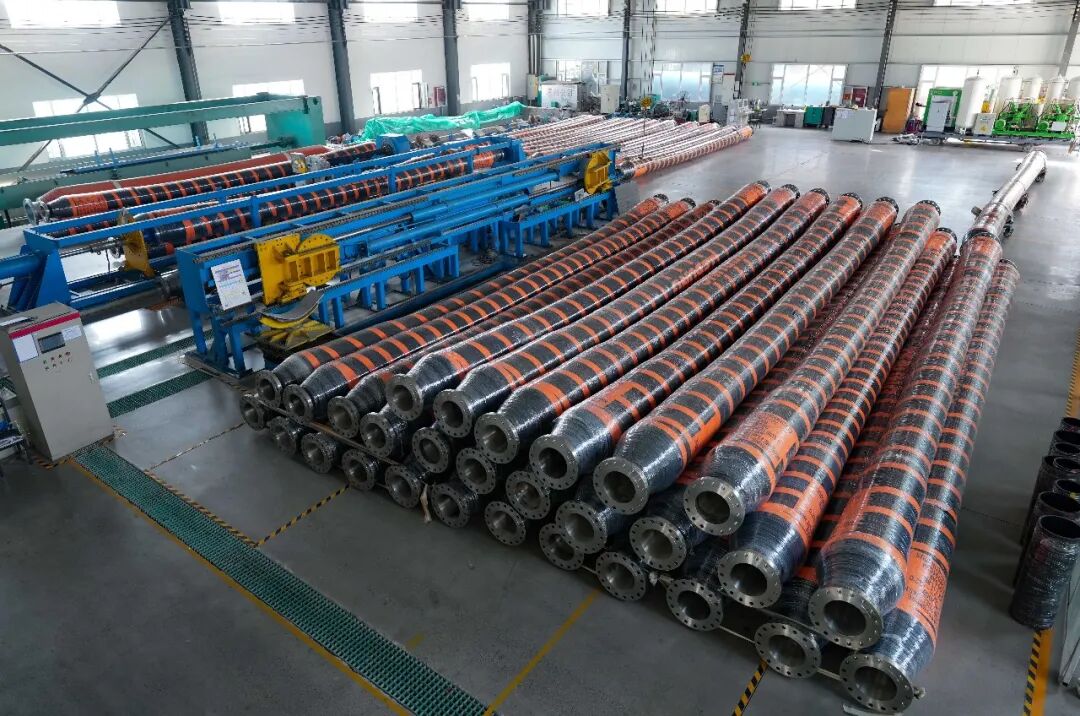
● Impulse Testing: Withstanding Cyclic Hydrostatic Pressure. Impulse testing is used to comprehensively evaluate the performance of marine oil hoses under specific hydrostatic pressure conditions. This test verifies the hose’s sealing integrity and pressure resistance at designated pressure levels. The resulting data serves as a critical basis for estimating the hose’s service life, ensuring the safe and stable operation of offshore oil and gas activities.
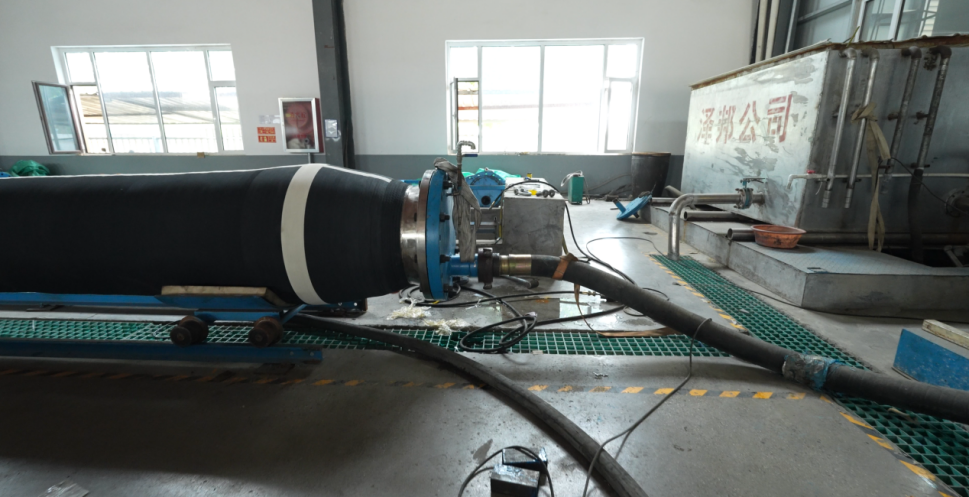
● Bending Stiffness Testing: Verifying Structural Stability Under Bending Loads. The primary purpose of bending stiffness testing is to assess the mechanical performance and structural stability of marine oil hoses—such as those manufactured by Zebung Technology—when subjected to bending loads. The test data reveals how the hose deforms under bending, confirming that the product meets all technical requirements and standards for use in marine environments.
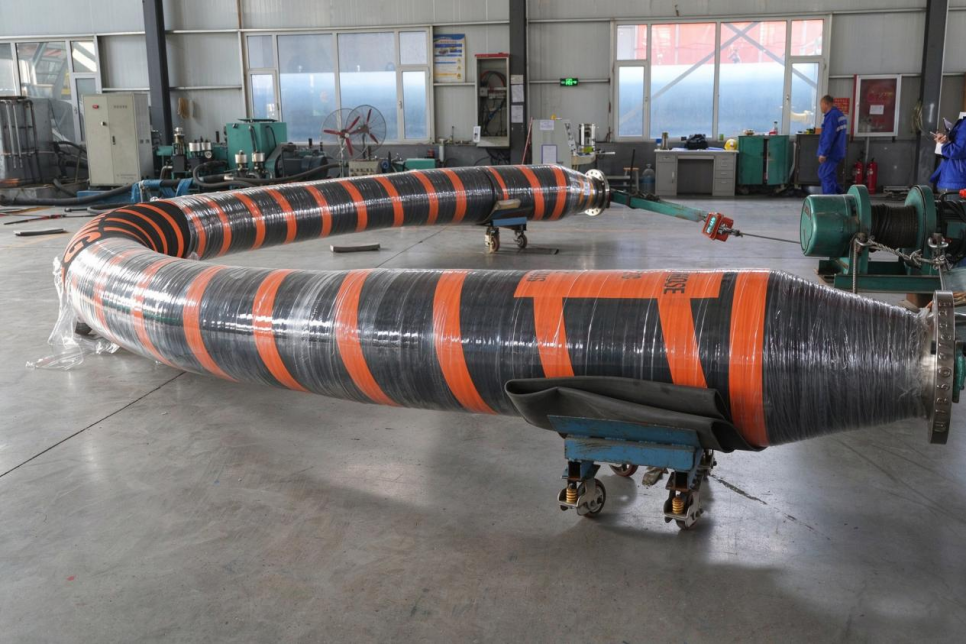
● Vacuum Testing: Resisting Collapse Under Negative Pressure. Negative pressure conditions pose a major challenge for any hose. Each hose must undergo a vacuum test at 0.85 bar for a duration of 10 minutes. Using a light source and a transparent viewing window, the inner wall of the hose is inspected; a compliant hose will show no signs of collapse or blistering, with all structural layers remaining firmly bonded and stable.
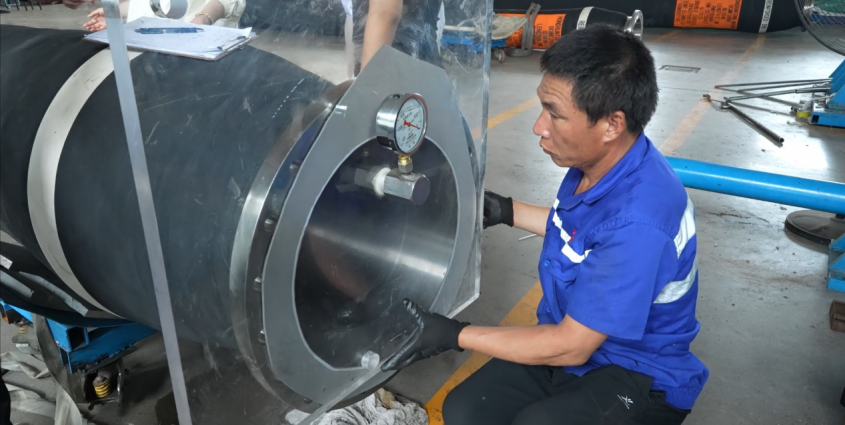
● Tensile Testing: Determining Tensile Limits and Resistance to External Pulling Forces. Tensile testing is a vital component of quality assurance. It serves to measure the hose’s tensile strength—ensuring it can withstand complex external forces underwater—while also evaluating its ductility to prevent fracture or damage under stress. Furthermore, this process helps identify any latent manufacturing defects. This batch of hoses has undergone testing, with all parameters meeting the requirements of the international standard GMPHOM 2009.
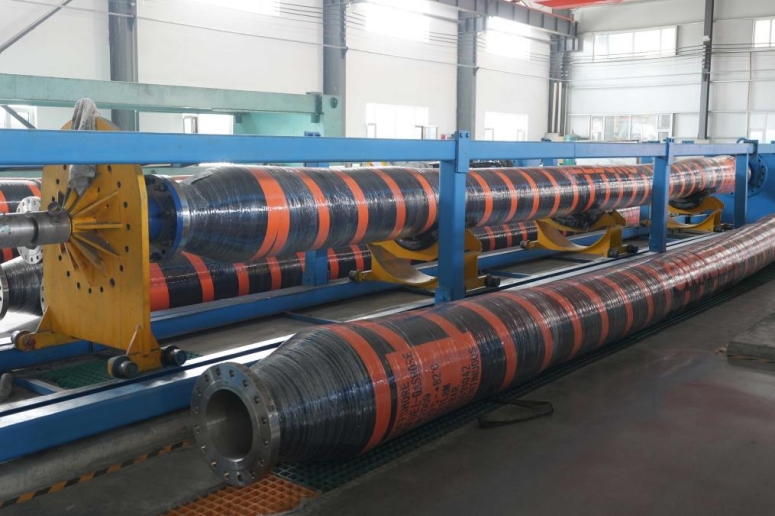
● Torsion Test: A bidirectional, reciprocating torsion test was conducted to simulate the frequent twisting forces a hose might encounter in dynamic and complex marine environments. During the test, the hose was repeatedly twisted both clockwise and counter-clockwise, with torque values recorded throughout. The results confirm that Zebung hoses possess exceptional torsional resistance, making them fully capable of adapting to complex and variable operating conditions.
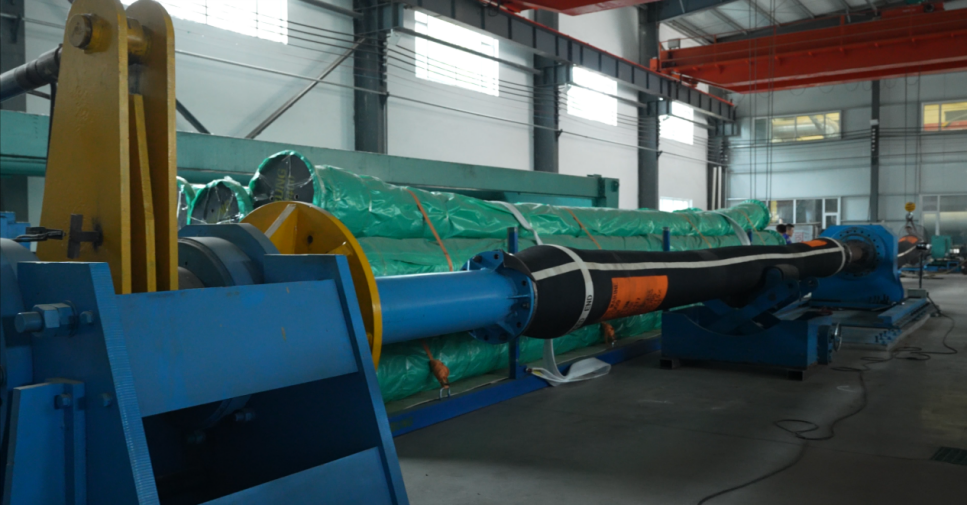
● Electrical Performance Test: Ensuring comprehensive electrical safety and eliminating static-related hazards. The primary objective of this test is to ensure that, in complex marine environments, the hoses can effectively prevent safety risks caused by static electricity while maintaining the necessary electrical isolation—ultimately guaranteeing the safe and reliable operation of the entire oil transfer system. Through rigorous electrical testing, Zebung Technology ensures that every subsea oil transfer hose complies with international electrical safety standards, providing clients with secure, reliable, and professional solutions for marine energy transport.
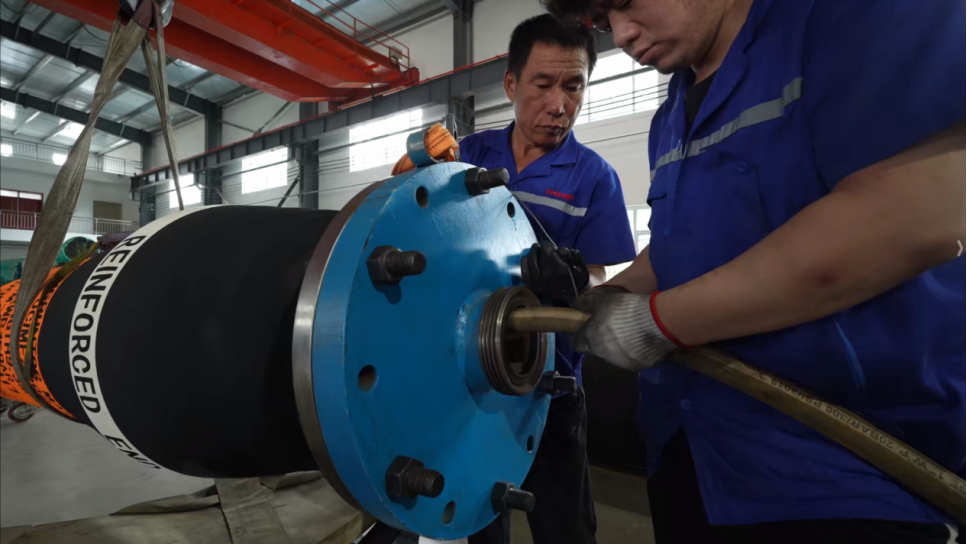
● Kerosene Test: A stringent assessment of oil resistance and sealing integrity against degradation from petroleum-based media. Since these hoses are in constant contact with oil, their oil resistance and sealing performance are the primary factors determining their service life. Following the sealing process, the hoses are filled with kerosene and subjected to pressurized holding tests. Only those that show no leaks, bubbling, or other defects throughout the entire process pass the evaluation—a testament to the hose’s superior oil resistance and sealing capabilities.
With over two decades of experience in the rubber hose industry—including more than a decade dedicated specifically to the R&D and production of marine oil transfer hoses—Zebung Technology combines deep technical expertise with rigorous testing protocols. The company’s entire line of marine oil transfer hoses has been certified by Bureau Veritas (BV), providing the authoritative credentials needed to expand into overseas markets. Thanks to their robust performance, Zebung hoses have reached global markets, including the Middle East, South America, Southeast Asia, and Africa. They are currently deployed in numerous offshore oil and gas projects, earning widespread recognition from clients both at home and abroad. From rigorous, repeated testing in the laboratory to deployment on offshore platforms across the globe—time has refined our technology, and testing has forged our quality. Building upon years of industry experience and backed by authoritative certifications, Zebung Technology provides reliable marine oil-transfer hoses, safeguarding the security of offshore energy transport worldwide.
Post time: Oct-15-2026